Children's clothes go through more washing than almost anything else in the house. A few habits, most of them about temperature and timing, keep them looking decent for longer and make them worth passing on. This guide covers stains, washing, drying and storage.
Stain basics: know the type
Most stains on children's clothing fall into three families, and each responds to a different approach. Treating a stain the wrong way, usually with the wrong water temperature, can fix it into the fabric.
Protein stains
Milk, egg, blood, sweat and many baby-food messes. Proteins set with heat, so the first rinse should always be cold. Flush the back of the stain under cold running water, then work in a little liquid detergent and let it sit before washing. Enzyme-containing detergents are designed to break down proteins and are useful here.
Grease and oil stains
Butter, cooking oil, sun cream, crayon and the residue from greasy fingers. Oil does not dissolve in water alone. Blot off the excess, work a small amount of washing-up liquid or liquid detergent into the mark, then wash at the warmest temperature the care label allows. Check the garment before drying; heat can fix a grease mark that is still there.
Tannin stains
Fruit juice, berries, tea, fizzy drinks and tomato. Rinse with cold water as soon as possible, treat with liquid detergent and wash. Avoid rubbing bar soap into tannin stains, as true soap can make them harder to shift.
Some stains are combinations. Grass has both plant pigment and a waxy component; chocolate is protein, fat and tannin together. Start cold, deal with the grease, then wash. Mud is the exception to rinsing straight away: let it dry, brush off as much as possible, then treat what remains. For everything else, speed matters more than technique. A quick cold rinse at the time of the spill solves most problems before they start.
| Stain family | Common examples | First step | Avoid |
|---|---|---|---|
| Protein | Milk, egg, blood, sweat | Cold rinse from the back | Hot water before the stain is gone |
| Grease | Butter, oil, sun cream, crayon | Blot, then washing-up liquid | Tumble drying before checking |
| Tannin | Juice, berries, tea, tomato | Cold rinse, liquid detergent | Bar soap |
Choosing a wash temperature
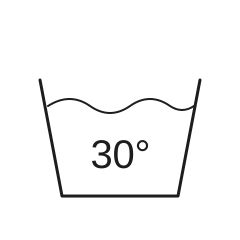
For most everyday children's clothing, a cool or warm wash around 30–40 °C (86–104 °F) is enough to get things clean with a modern detergent. Cooler washes are kinder to colours, prints and elastic, and they reduce the risk of shrinkage in cotton.
Hotter washes have a place for towels, bedding and items soiled with illness, where the care label allows. For daily tees, trousers and sweatshirts, the gain from a hot wash is rarely worth the wear. Always check the care label first; it is the maker's best guide to what the fabric can tolerate.
Keeping prints and elastics alive
Printed graphics and waistband elastic are usually the first things to fail on kids' clothes, often long before the fabric itself wears out.
- Turn printed garments inside out. This protects the print from rubbing against other clothes and the drum.
- Keep heat low. Heat is the main enemy of both screen prints and elastic. A cool wash and a low or no tumble dry make a real difference.
- Never iron directly on a print. Iron inside out, or place a cloth between the iron and the design.
- Do not overload the machine. Clothes need room to move freely; packed loads mean more friction and less effective rinsing.
- Close zips and hook-and-loop fastenings. Open fastenings snag knits and scratch prints in the wash.
For more on keeping graphic tees crisp, our piece on looking after printed T-shirts goes into detail on print types and how each ages.
Avoiding shrinkage
Cotton and cotton-rich knits can shrink, mostly in length, during the first few washes. The causes are heat and mechanical agitation, which let the yarns relax from the tension they were held under during manufacturing. The tumble dryer is usually the bigger culprit, not the wash itself.
To keep garments close to their original size, wash cool, use a gentle cycle for knits, and air-dry or tumble on low. Pull seams and hems gently back into shape while the garment is damp. The full mechanics are covered in our explainer on how to wash cotton without it shrinking.
Fragrance-free detergent for sensitive skin
Some children find heavily scented laundry uncomfortable, or their parents prefer to keep fragrances and dyes to a minimum. Fragrance-free and dye-free detergents are a straightforward option. Using the recommended dose rather than more, and choosing an extra rinse cycle if your machine has one, also reduces the amount of residue left in fabric.
Fabric softener is optional. It can make towels less absorbent and is not needed for most children's clothing. If your child prefers the feel of softened fabric, use it sparingly. Fibre choice also plays a big part in how clothes feel against the skin; our sensory-friendly fabric guide compares common options.
Drying
Air-drying is the gentlest option for almost everything. Dry knits flat or over a rack rather than hanging them by the shoulders from a peg, which can stretch the neck and leave marks. Shake garments out and smooth them before drying to reduce creasing.
If you use a tumble dryer, choose a low heat setting and remove clothes while very slightly damp. Over-drying is hard on elastic and is the main cause of shrinkage. Sleepwear deserves particular care: some children's sleepwear is made to meet local flammability requirements, and following its care label, including any advice about fabric softener, helps it perform as intended. Rules vary between countries, so check local rules if you are unsure.
Storing and passing on hand-me-downs
Garments chosen for durability, the kind described in our core wardrobe for school-age kids, often have years of life left when a child outgrows them. Storing them properly means they are ready when the next child needs them.
- Wash before storing. Even faint stains and body oils can yellow and set over months in storage.
- Make sure everything is completely dry. Damp fabric in a sealed box invites mildew.
- Use breathable storage where possible. Cotton bags or lidded boxes in a cool, dry place are better than a hot loft or a damp garage.
- Sort and label by size. A box marked with height range or age makes it easy to find the right clothes during a sudden growth spurt.
- Check before passing on. Look for perished elastic, failing zips, loose buttons and worn-through knees. Remove or shorten long drawstrings around hoods and necks on garments for young children, and check local guidance on drawstrings in children's clothing.
Clothes that are too worn to pass on can often be cut down into cleaning cloths or taken to textile recycling, depending on what is available locally.