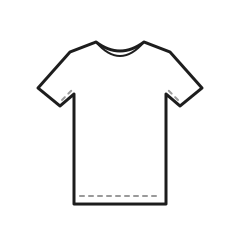
Classic white crew tee
- Fabric
- Combed or ring-spun cotton jersey
- Fit
- Sleeve ends mid-bicep, hem covers the waistband
Look for: A narrow, firm neck rib and a fabric that doesn’t show the skin through it.
An independent fashion journal & catalogue edit. Nothing is sold on this site.
Men’s edit
The essentials, done properly: tees by weight, sweatshirts by fabric, and layers that work from the commute to the weekend.
About this edit: these are garment types we think are worth knowing, with what to look for and how they should fit. They are not products for sale — there are no prices, stock or retailer links on OverClothing.com yet. Illustrations are original line drawings, not product photos.
Look for: A narrow, firm neck rib and a fabric that doesn’t show the skin through it.
Look for: Pocket stitched square and flat; double-needle hems that don’t ripple.
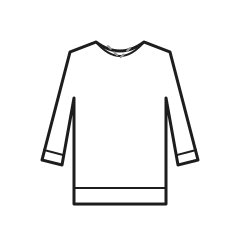
Look for: Flat, neat raglan seams and cuffs that grip without pinching.
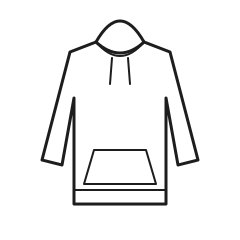
Look for: A double-layer hood that holds its shape and a pocket that doesn’t sag.
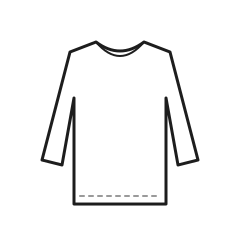
Look for: Cuffs that stay at the wrist and a length that stays tucked or covers the waistband.
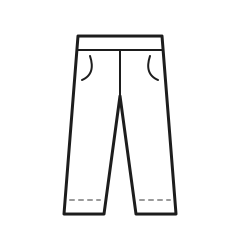
Look for: Deep, secure pockets and a waist that sits flat without gaping at the back.
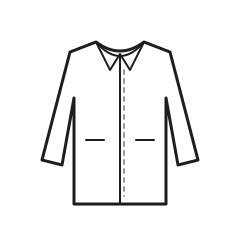
Look for: A hood or high collar, adjustable cuffs, and a zip that runs smoothly.
Look for: A knit that recovers after packing and doesn’t feel scratchy at the neck.
Light tees drape, heavy tees hold a shape. Pick on purpose. Fabric weight, explained.
If the shoulder seam is right, most other things can be tailored or tolerated. Here’s how a tee should fit.
Loopback breathes and keeps its shape, while brushed fleece is warmer and softer. Our sweatshirt fabrics guide explains the trade-off.
What separates loopback from fleece, why blends behave differently, and the construction details that show a sweatshirt is built to last.

GSM, ounces per square yard and what light, mid and heavyweight fabric actually means for tees and sweatshirts.
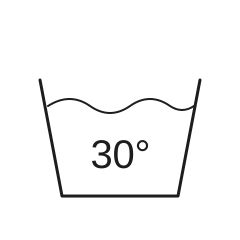
Why cotton shrinks, how to wash and dry it so it keeps its size, and what you can and cannot fix after the fact.
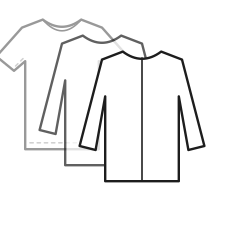
How to build base, mid and outer layers that look intentional, breathe well and adapt to cold mornings, warm trains and everything between.
Pick a palette, choose core pieces that all work together, count real outfits and buy to fill gaps rather than repeat what you own.
A plain-English guide to fibre percentages, care symbols, country of origin and the finishing terms printed on clothing labels.